Overview
The Walstead Park housing development in Lindfield, West Sussex, focuses on creating new residential units while ensuring the infrastructure adheres to contemporary standards. This project involved the construction of roads and footways that are intended for adoption by the local council.
Project Scope
The development’s infrastructure component required the construction of durable roads and footways. These needed to meet the stringent quality and performance guidelines set by West Sussex County Council.
Material Requirements
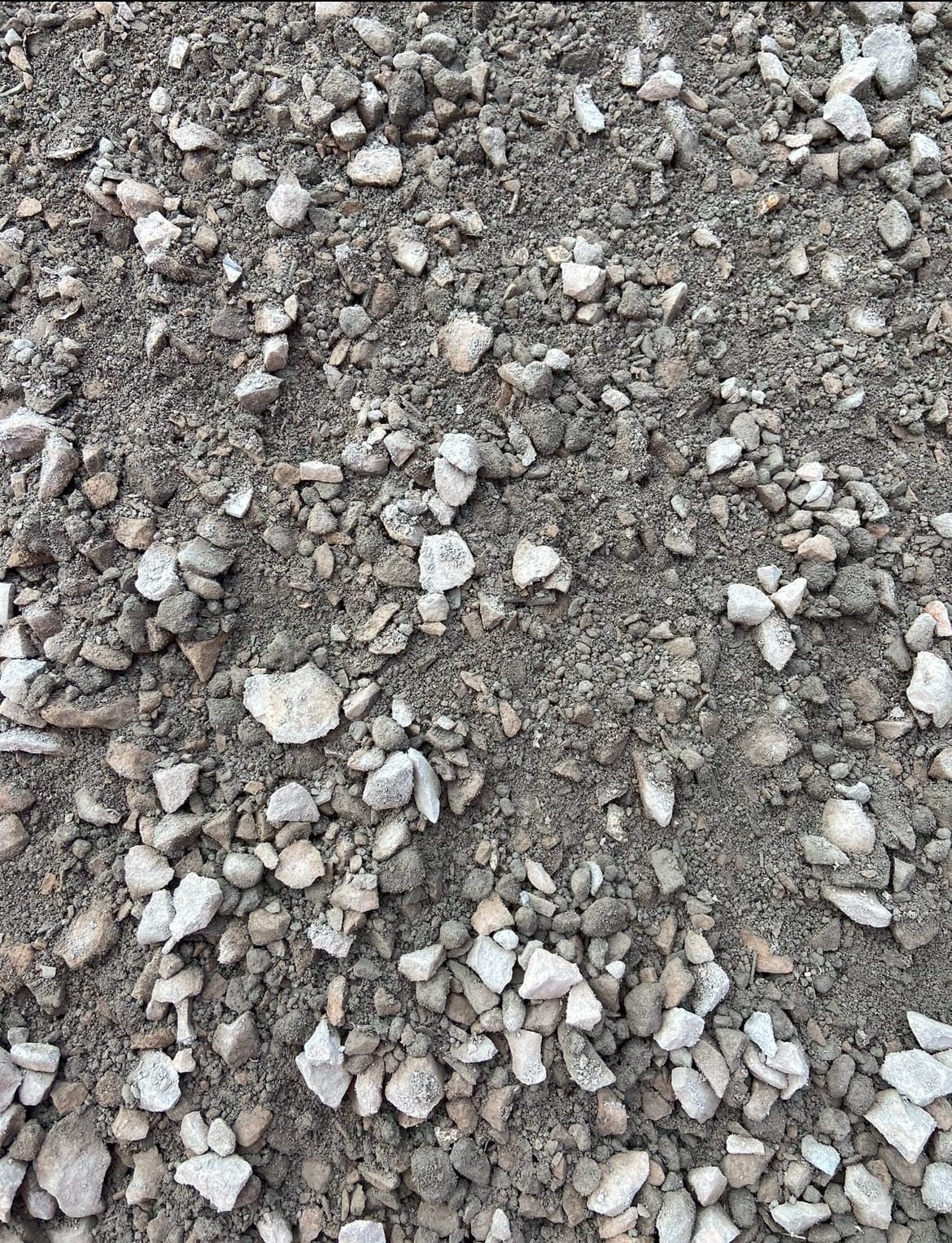
The project demanded high-quality materials that could provide a strong and stable foundation for the roads and footways. Ecoblend MA Type 1 aggregate was chosen to fulfil these requirements due to its:
- Cost efficiency
- Quality
- Compliance

Environmental & Economic Impact

Material Efficiency
The project used over 784 tonnes less material compared to a primary alternative

Cost-savings
Ecoblend MA provided the project with substantial savings, cutting material costs by over 43%.

Performance
Compliance with BS EN standards and SHW specifications contributed to the project’s overall success

Carbon Footprint
Ecoblend MA helped to reduce the project’s carbon footprint and natural resource consumption.
Outcome
The Walstead Park housing development successfully delivered high-quality, durable roads and footpaths that met all regulatory standards. By adopting Ecoblend MA Type 1 aggregate, the project achieved significant cost savings, reduced environmental impact, and preserved natural resources. These infrastructure improvements are now ready for adoption by West Sussex County Council, demonstrating that sustainable material choices can effectively support both economic and environmental goals in large-scale residential projects.
This case study underscores the success of integrating sustainable practices in infrastructure development, showing that high standards of quality and safety can be maintained while achieving substantial environmental and financial benefits.