20000
T
of material supplied

1569
T
less material required*

25
%
saved on material costs**


The strategic choice of Ecoblend MA Type 1 aggregate not only met the project’s technical requirements, but also reduced material requirements and costs while supporting its economic and environmental objectives.

20000
T
of material supplied
1569
T
less material required*
25
%
saved on material costs**
The A249 Grovehurst Road improvement scheme in Sittingbourne, Kent, forms a key part of a significant infrastructure improvement initiative designed to enhance road safety, reduce congestion, and accommodate future housing developments in the area.
The extensive work on the existing gyratory roundabout and adjacent slip roads involved substantial construction and refurbishment efforts. The project aimed to improve traffic flow and safety on a heavily trafficked section of the A249.
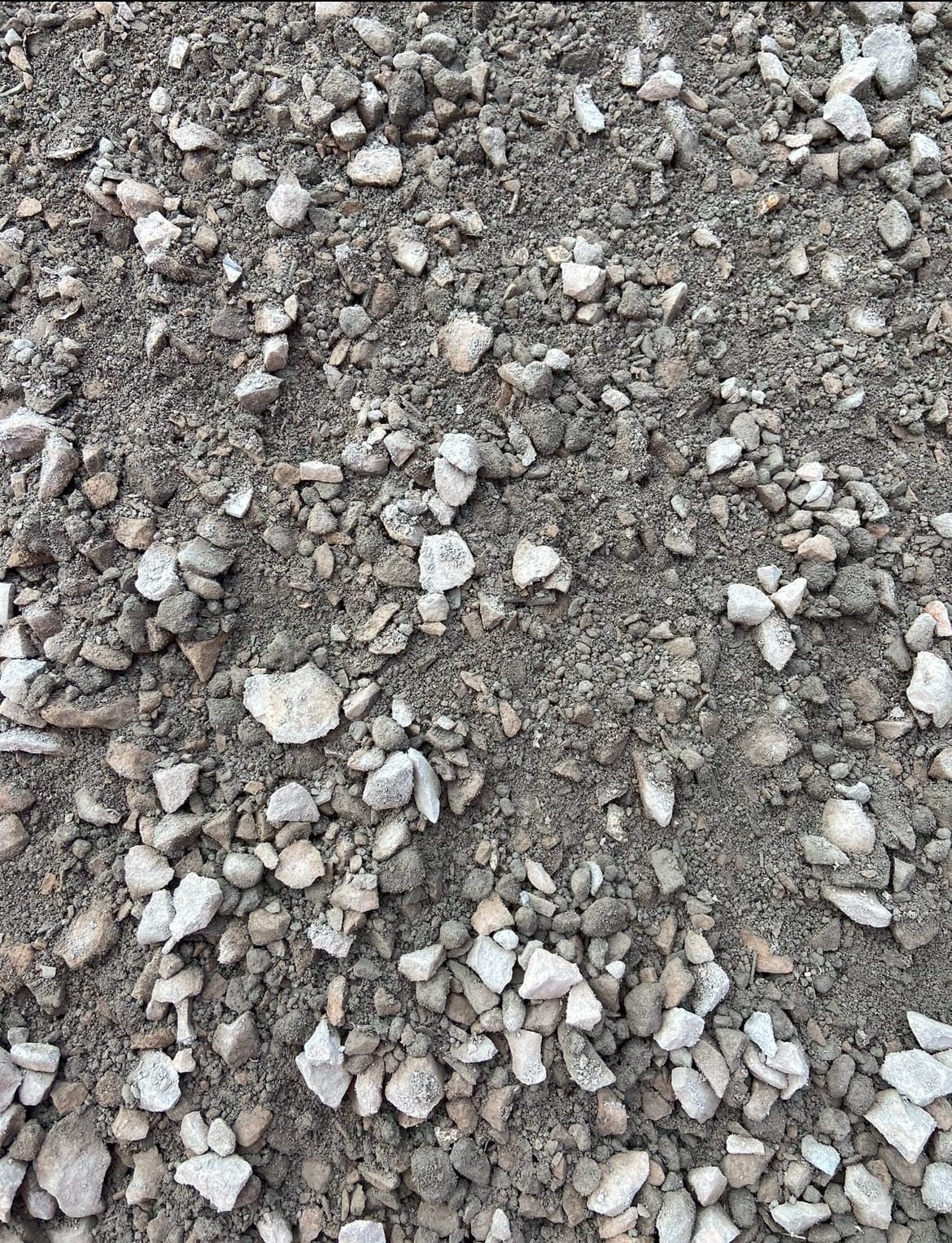
A crucial aspect of the project was the foundation layer, for which 20,000 tonnes of Type 1 sub-base material was required. The project team selected Ecoblend MA Type 1 aggregate due to its:

The project used 1,569 tonnes less material compared to a primary alternative
Ecoblend MA provided the project with substantial cost savings, cutting material costs by over 25%

The project helped to divert over 44,000 tonnes of municipal waste from landfills

Over 9,500 tonnes of natural resources were preserved, contributing to the project’s sustainability goals
The strategic choice of Ecoblend MA Type 1 aggregate not only met the project’s technical requirements, but also supported its economic and environmental objectives. The improved roads are now better equipped to handle current traffic demands and future growth, ultimately enhancing the infrastructure and quality of life in the Sittingbourne area.
This case study illustrates the effectiveness of sustainable material choices in large-scale infrastructure projects, highlighting both cost savings and significant environmental benefits.
*Due to Ecoblend MA having a lower compacted density than natural aggregate, only 20,000 tonnes of material was required compared to the 21,569 tonnes of primary aggregate needed to achieve the same result. This difference in material quantity is directly related to the physical properties of each product and is not a reflection of performance or quality. **Compared to a primary aggregate, which has a higher density and requires more material at a higher price per tonne than Ecoblend MA. These figures reflect the advantages of using Ecoblend MA, but actual savings may vary.
See how much you could save on your next project by switching to Ecoblend MA.