Overview
The Phase 4 Infrastructure project was the penultimate section of the commercial and residential Stonehouse scheme. The project included the connecting carriageway between two previously connected sections of road and required the high-specification materials required to meet Adoptable Road criteria.
Project Scope
The new carriageway development required construction of approximately 400m of carriageway, along with associated footpaths and cycleways. This was to enable fully serviced access to future housing development parcels.
Material Requirements
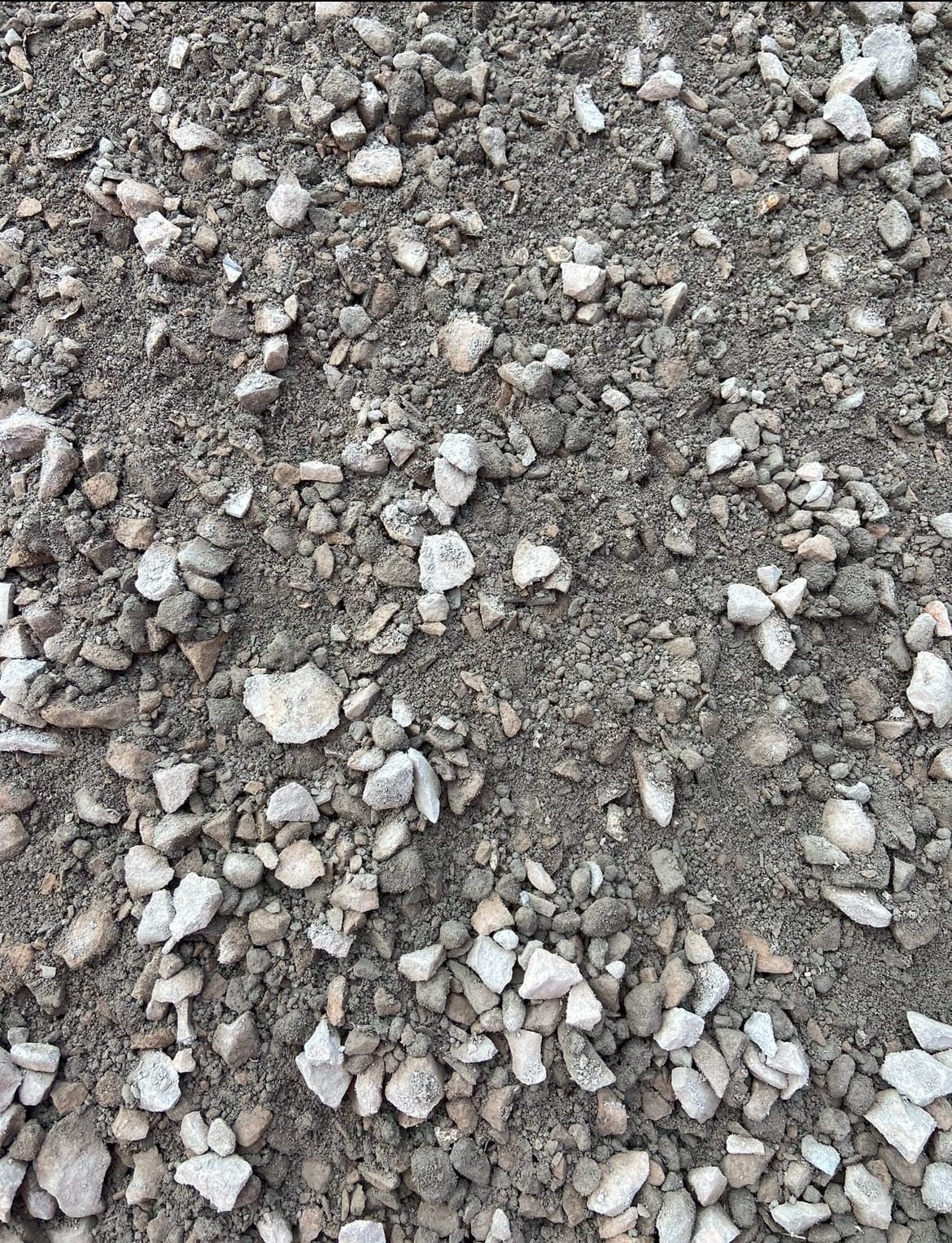
Ecoblend® MA 6F5 and Type 1 were selected as the foundation layers for the carriageway, footpaths, and cycleways. This decision took advantage of the material savings and provided high-quality, sustainable solutions for the project. Ecoblend MA provided the team with:
- Superior product quality
- Compliance with SHW Specifications
- Ready availability

Environmental & Economic Impact

Material Efficiency
Required 600 tonnes less material than if a primary aggregate was used

Circular Economy
Utilising Ecoblend diverted 19,750 tonnes of municipal waste from landfills

Locality
Local supply logistics, both road and rail, reduced the project’s carbon footprint

Sustainability
Choosing Ecoblend MA preserved 4,154 tonnes of natural stone
Outcome
The fully certified Ecoblend MA Type 1 delivered key material efficiency saving 10% on density compared to natural aggregate. The use of a 50% sustainable aggregate reduced the use of quarried stone, preserving precious primary resources. The case study demonstrates how Ecoblend MA can make a significant impact, diverting and utilising materials equivalent to 1,645,884 black bin bags away from landfill. Nick Rowe, the site manager on the project, commented:
“The Ecoblend® MA material cannot be faulted, even in the wet weather when I wasn’t sure it would be suitable… it’s probably the best Type 1 Recycled/Manufactured I have used. The material is very consistent.” He said his company would “…definitely be using this on other schemes.”